Why Performance Marketing is the Future of Business Industry :-
These days, everything online shifts quickly, pushing companies to move at a pace once unheard of. Back then, starting up meant waiting five years for real success, six months even to see steady income. Newspapers, flyers, signs on streets, stories passed between friends - those were how folks found new brands. That approach held power in the 80s and 90s since fewer rivals existed, tools were basic, buyers didn’t have endless options.
These days it's 2026, a world reshaped by tech that rewired how companies do business. Online access, mobile devices, AI tools, social apps - each played a part in shifting what customers expect. Time spent staring at screens defines modern routines, pulling brands away from old-school ads toward web-based outreach. Of all digital paths taken, one stands out - not slow growth but rapid impact through results-driven campaigns.
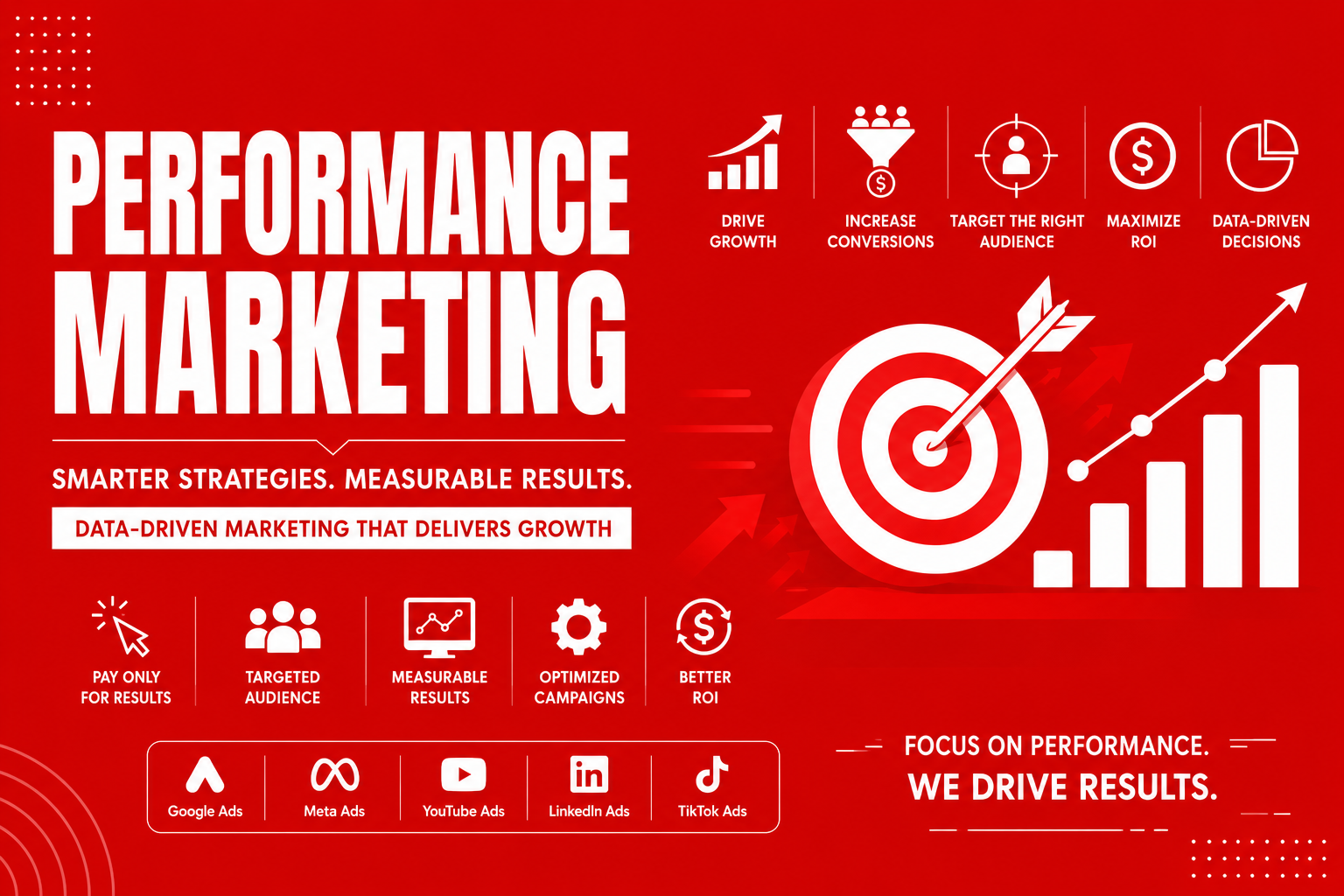
What lies ahead for business? Performance marketing shapes it. Here's why - modern companies demand clear outcomes. Traditional methods often leave firms spending blindly, unsure of returns. Instead, this approach tracks real actions: visits to sites, messages received, purchases made, responses given, sign-ups recorded. Growth follows proof. Spending rises only when progress shows.
Some folks get digital marketing wrong. Not just snapping pics, crafting reels, tossing up Instagram posts, or designing flashy visuals - though those matter. Yet there’s more beneath the surface. Driven by numbers, shaped by how minds work, powered by smart ads, fine tuned through systems, built to convert. Creativity mixed with cold truth from data. Strategy stitched into every move. Far wider than most assume.
Most people share things online without thinking much. Yet only some turn those shares into real outcomes. That gap? It's filled by smart moves behind the scenes. Think of someone who knows exactly which faces to show an ad to, when to push a message, how to guide clicks toward buying. They build paths that pull visitors deeper, bring back curious ones, then seal the deal quietly. Nothing happens by accident there. Numbers shape every next step taken.
Take how companies introduce products now. Gone are the days of relying just on storefronts or flyers. Social profiles pop up first, often before anything else. Ads appear on feeds, tailored to catch attention fast. Pages built online collect names, emails, hints about habits. Messages follow later, timed to nudge interest. Each move fits into a path that leads toward buying. Nothing happens without leaving a trace. Steps get watched closely - views, clicks, pauses, exits. Adjustments come quickly if something lags. Numbers shape decisions more than guesses ever did. That constant checking defines what people mean by performance marketing. Measurement isn’t added. It's baked in from the start.
Speed wins here. Years used to pass before companies gained attention. Now a new business might grow fast using smart online moves. Big players once dominated - no longer. Digital spaces level the field. In just days, an unknown shop could show its message to vast groups nearby or far away.
Most folks see performance marketing heading center stage thanks to its deep ties to data. Not a fan of hunches, today’s companies crave clear numbers showing progress they can track. Outcomes like how users act, who they are, what converts, how involved people get, plus profit returns appear instantly through this method. With that kind of visibility, firms adjust tactics on the fly - refining moves based on what actually works.
Big names wouldn’t pour millions into ads if it didn’t work. Take Amazon, Nike, Apple - each one leans heavily on digital strategies built around results. Behind those massive budgets sits a clear belief: being seen online moves product. Visibility links straight to revenue, so effort goes where outcomes show. For them, spending isn't guesswork - it's tied to what performs.
Spending less while getting clear results is one reason companies now lean toward performance marketing instead of old-school ads. Back then, money poured into TV spots, print pages, or roadside signs - with zero proof of who became a buyer. Now each rupee moves under watchful eyes. Which ad grabs attention becomes obvious. Who responds shows up in data points across screens. Profit trails light up where campaigns succeed loudest. Clarity like that sticks close to what today's brands need most.
Nowadays people find what they need by scrolling through feeds filled with clips and posts. Big sites such as Instagram, Facebook, YouTube, LinkedIn, and Google act like digital malls buzzing every day. Companies reach buyers using short videos, paid messages, trusted voices online instead of old methods. Buying stuff used to follow a straight path but not anymore. The route from seeing something to purchasing shifted completely. Most people now check the internet first when they want to buy something. Reading feedback from others comes next, often shaping their decision. One brand gets weighed against another through quick clicks and scrolling screens. Contacting a business happens without phone calls, just messages or forms filled out online. Falling short in this space means slower growth while others move faster. Staying visible where buyers look keeps pace with changing habits.
Most of today’s marketing moves without constant human input. Tools now study actions people take online, adjust ads on their own, then refine who sees them. When machines spot patterns, companies learn preferences faster. Personal touches come easier that way. Happier customers tend to respond more often. Efficiency grows behind the scenes too. Expect smarter decisions ahead, quietly shaped by technology already at work.
Out here, performance marketing opens doors nobody expected. Folks like freelancers, content makers, and ad spenders find work piling up fast these days. Not long ago, creativity ruled - now numbers talk louder than visuals. Look around, nearly every brand wants someone who tracks results, not just ideas. From small shops to big names, being seen online isn’t optional anymore. Growth that shows up in charts beats vague promises every time. The world’s shifting, pulling more roles into digital lanes once ignored. Experts who tune funnels or climb search rankings? They’re everywhere now. Demand spreads wide because silence on the web means missing out completely.
Years ahead, getting results through targeted ads won’t be optional - it’ll just be how companies operate. From small cafes to big hospitals, success will lean on knowing what customers do online. Whoever pays attention to clicks, views, and sign-ups gains ground fast. Left behind? Firms still treating websites like digital brochures. Real power shifts to those using live feedback instead of guesses. Survival tips: track changes, adjust quickly, stay visible. Ignore the shift, face silence. Growth hides where behavior meets response.
Truth be told, performance marketing goes way past clicks or catchy captions - it's tied directly to outcomes that move company numbers. Creativity dances with data tools, smart planning shapes decisions, all pushing growth at a quicker pace. Moving into 2026 and forward, standing out means more than what you sell - attention matters most, along with how people interact online. Clear patterns show one thing: this approach isn’t chasing trends - it’s setting them across industries now.
Stridemex OPC Private Limited Best Digital Marketing Agency in CBD Belapur